Erasmus+ Agrosocial Project
The Erasmus+ Agrosocial project explores innovative ways to promote social farming and urban organic gardens across Europe, connecting farms, communities and participants to foster inclusion, wellbeing and sustainable rural development. Agrosocial is built around three main pillars:
O1. LEARN
Identify and explore inclusive practices in public spaces, especially within urban organic gardens and with social farms, to better understand how they contribute to community inclusion.
O2. TRAIN
Deliver training sessions focused on increasing opportunities for people with disabilities and local community members, using organic gardens and social farms as tools for integration and cooperation.
O3. MULTIPLY
Share the project’s results across Europe, informing other communities on best practices for social farming, and methods to replicate inclusive practices in their own public urban gardens.
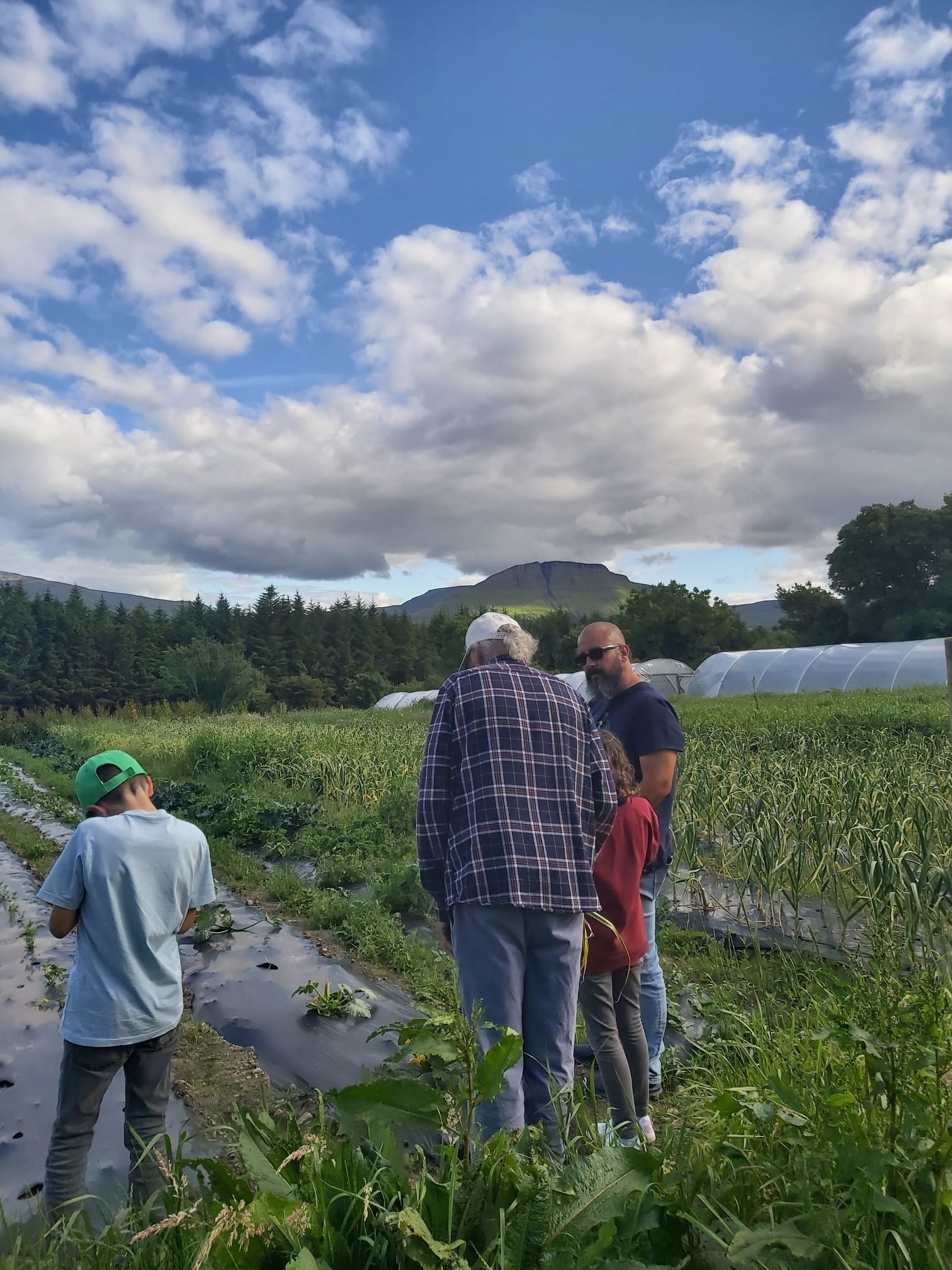
Through this initiative, Leitrim Development Company, with Social Farming Ireland has collaborated with Spanish partners, Terra i Dona and Meraki, to develop practical tools and resources that support farmers, services and participants in creating meaningful and inclusive experiences on social farms and urban organic gardens. You can explore the outputs from this project in the ‘Activities and Results’ section to learn more about the project activities, outcomes, best practices and practical guidance for supporting social farming initiatives and urban organic gardens.
Who is Agrosocial for?
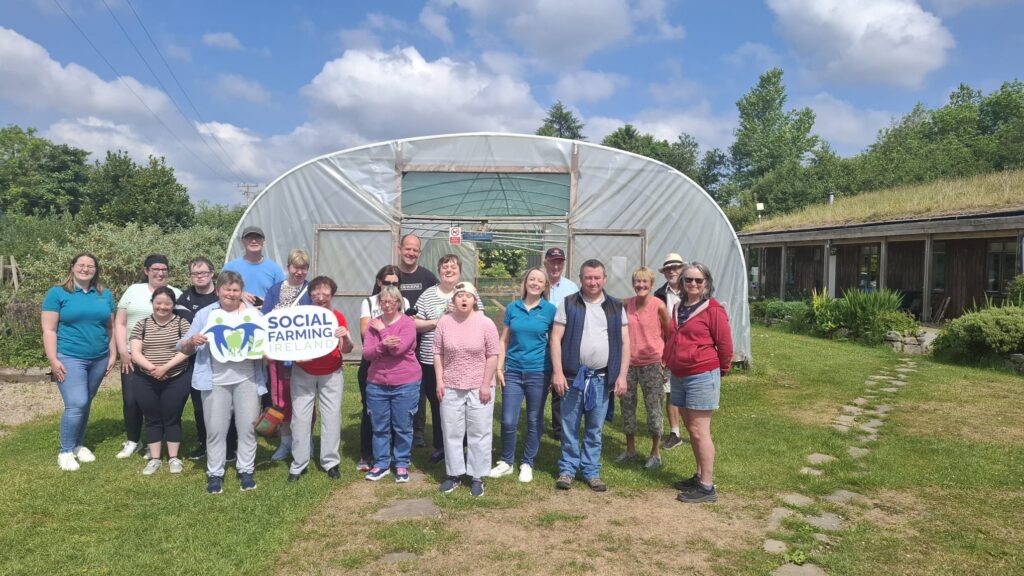
At the heart of Agrosocial are the people we want to include and empower. Target groups of the Agrosocial project include individuals with physical and intellectual disabilities, but also include older people, children, teenagers and anyone interested in participating. Other stakeholders include Non-Governmental Organisations (NGOs), training and education centres, municipalities and other public authorities, as well as transnational entities related to inclusion and diversity.

Project Activities
Agrosocial is built around three core areas of activity: 1. Learning, 2. Training, and 3. Sharing. Each step is designed to promote inclusion, community engagement, and sustainability through the practice of social farming and through urban organic gardens.
O1. LEARN – Exploring Good Practices
We start by researching and collecting examples of inclusive initiatives in public urban gardens and social farms across Europe.
Through this process, we gather lessons learned and practical insights that help us understand how social farms and gardens become welcoming, educational, and empowering spaces for everyone.
O2. TRAIN – Inclusive Workshops
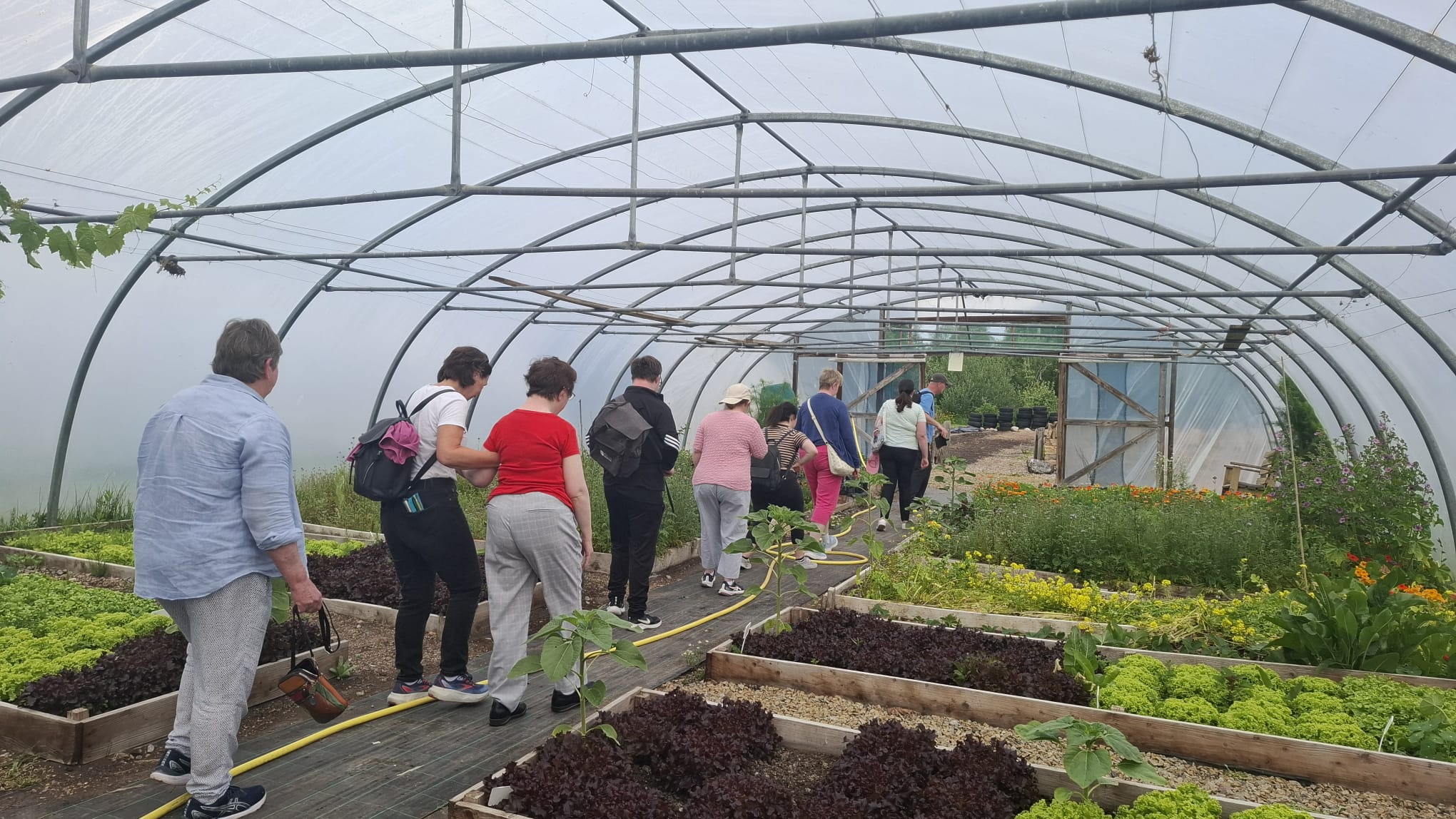
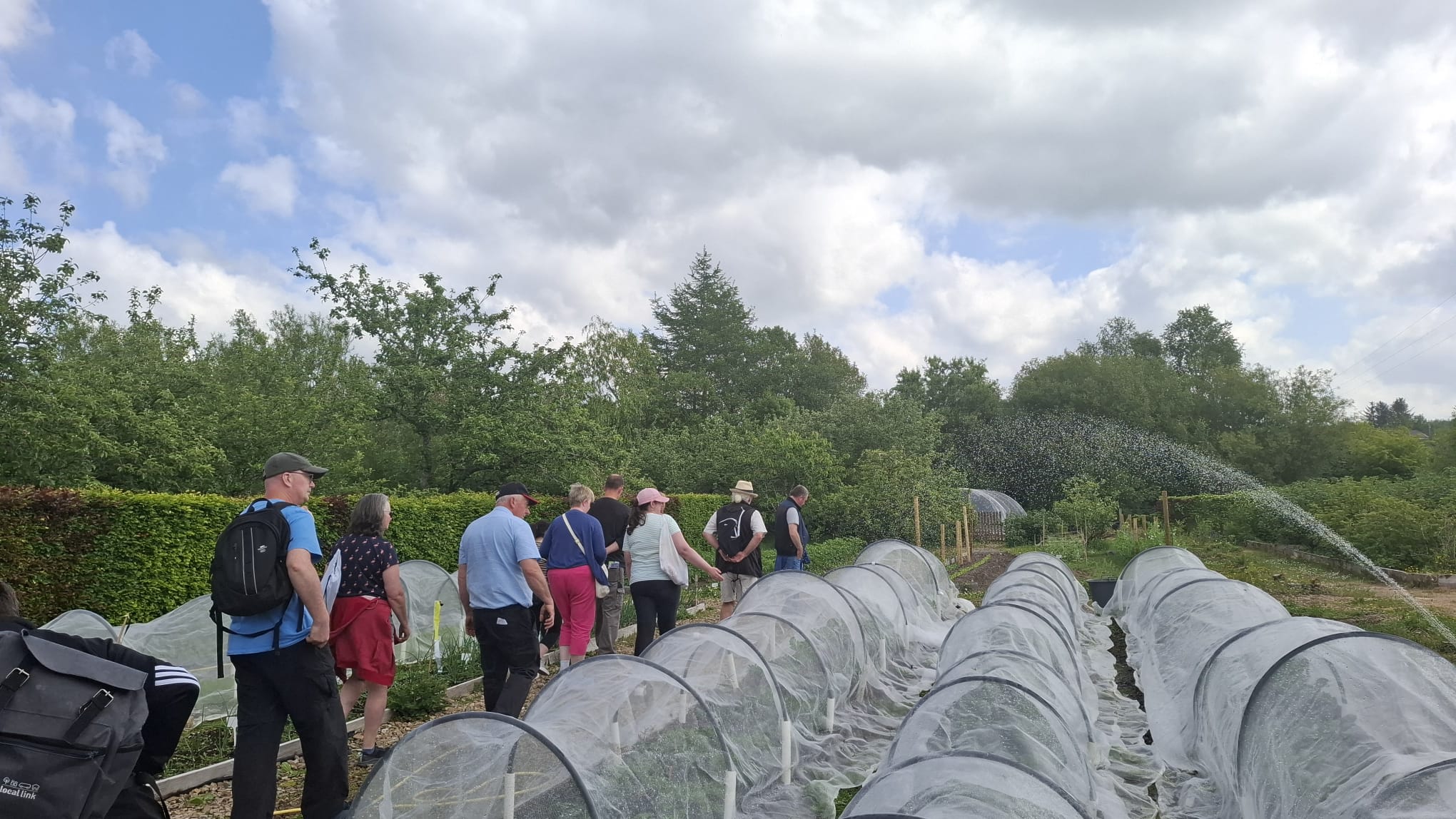
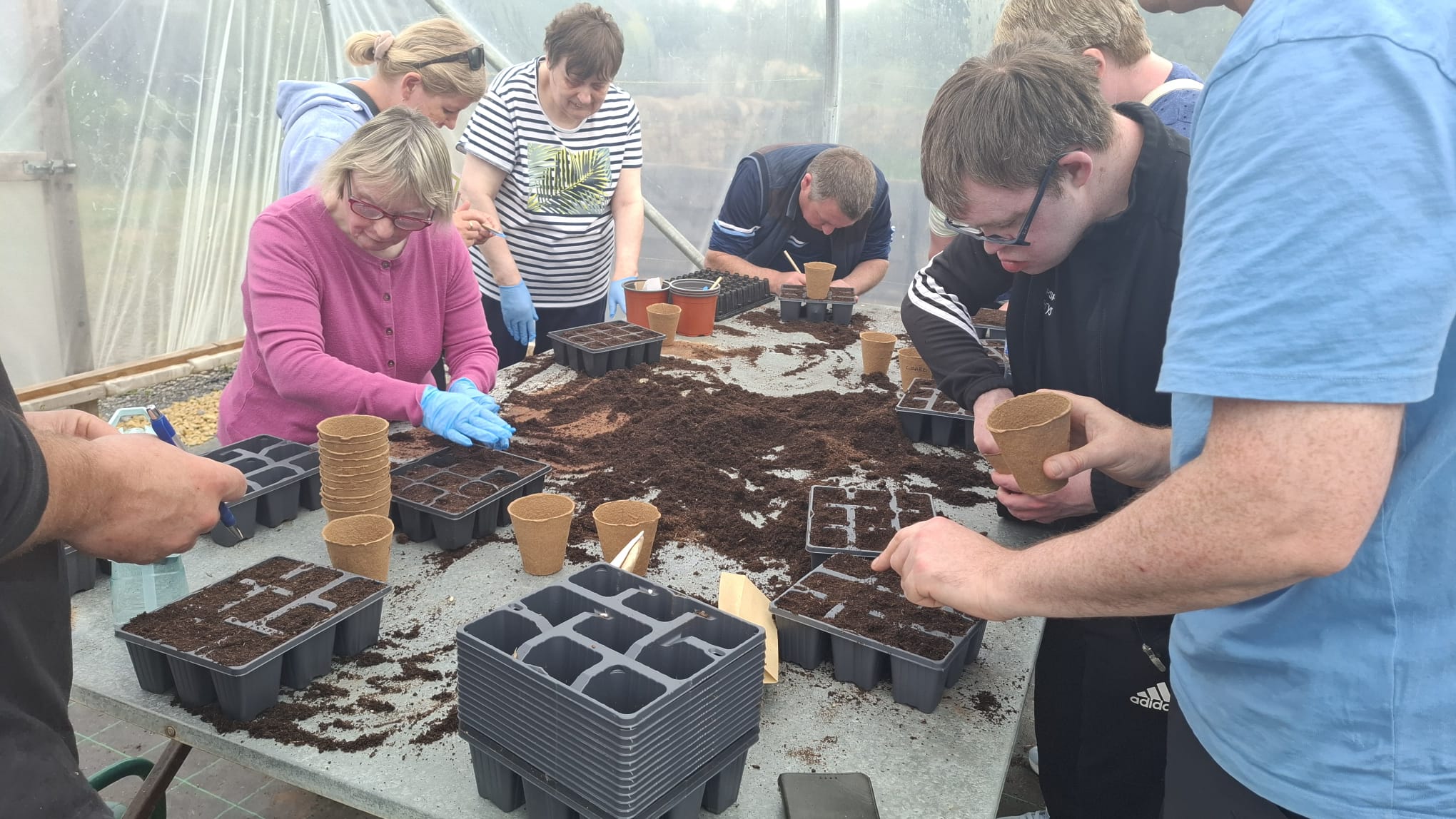
Agrosocial develops and delivers hands-on training workshops in different countries.
These workshops bring together people with disabilities, local residents, social farmers and community members to collaborate in urban organic gardens, gaining new skills while promoting social inclusion and ecological awareness.
O3. MULTIPLY – Spreading the Knowledge
To make our work accessible to all, we created a Toolbox filled with resources, templates, and step-by-step guides.
This practical toolkit will help inform other communities across Europe on best practices for social farming and ways to adapt our inclusive gardening model in their own local contexts.
[ Additional information relating to activity and results is available via the “Activity & Results” link in the top-right corner of this page. ]
Our project partners:
Terra i Dona – Spain
Terra i Dona is a Spanish non-profit association founded in 2021 by two women with deep experience in education and environmental work. The organization promotes inclusive, ecological and participatory urban gardening as a tool to improve the quality of life for people with physical and intellectual disabilities. Their mission also includes the recovery of underused spaces, the promotion of healthy and sustainable lifestyles, and fostering intergenerational and intercultural exchange. Terra i Dona believes in empowering people through self-managed and accessible green spaces that support both learning and community engagement.
Meraki – Spain
Meraki is a dynamic non-profit based in Valencia, bringing together professionals in education, psychology, sustainability, and technology. Founded in 2017, Meraki is active in several European projects, specializing in training design, curriculum development, and social innovation. Their mission is to support educators, organisations, and communities through creative methodologies, international partnerships, and inclusive learning strategies. Meraki is particularly focused on building collaborative networks that improve educational systems and promote diversity and participation.

Funded by the European Union. Views and opinions expressed are however those of the author(s) only and do not necessarily reflect those of the European Union or the European Education and Culture Executive Agency (EACEA). Neither the European Union nor EACEA can be held responsible for them.